
Salish Sea Expeditions
Salish Sea Expeditions
Available for grades 6–12
Salish Sea Expeditions inspires youth to connect with the marine environment through boat-based scientific inquiry and hands-on learning, instilling curiosity, confidence, and critical thinking.
Out here, science comes alive!
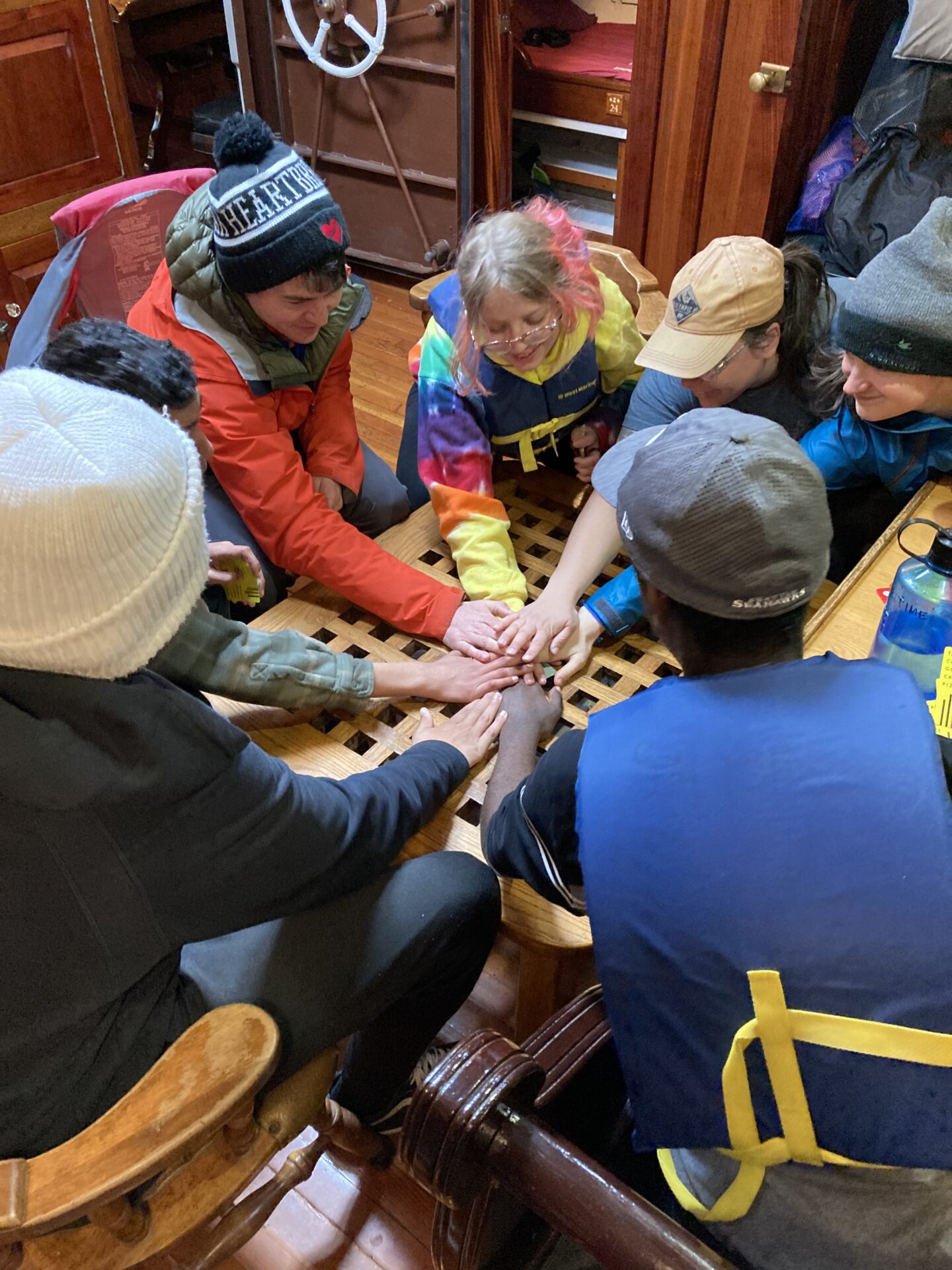
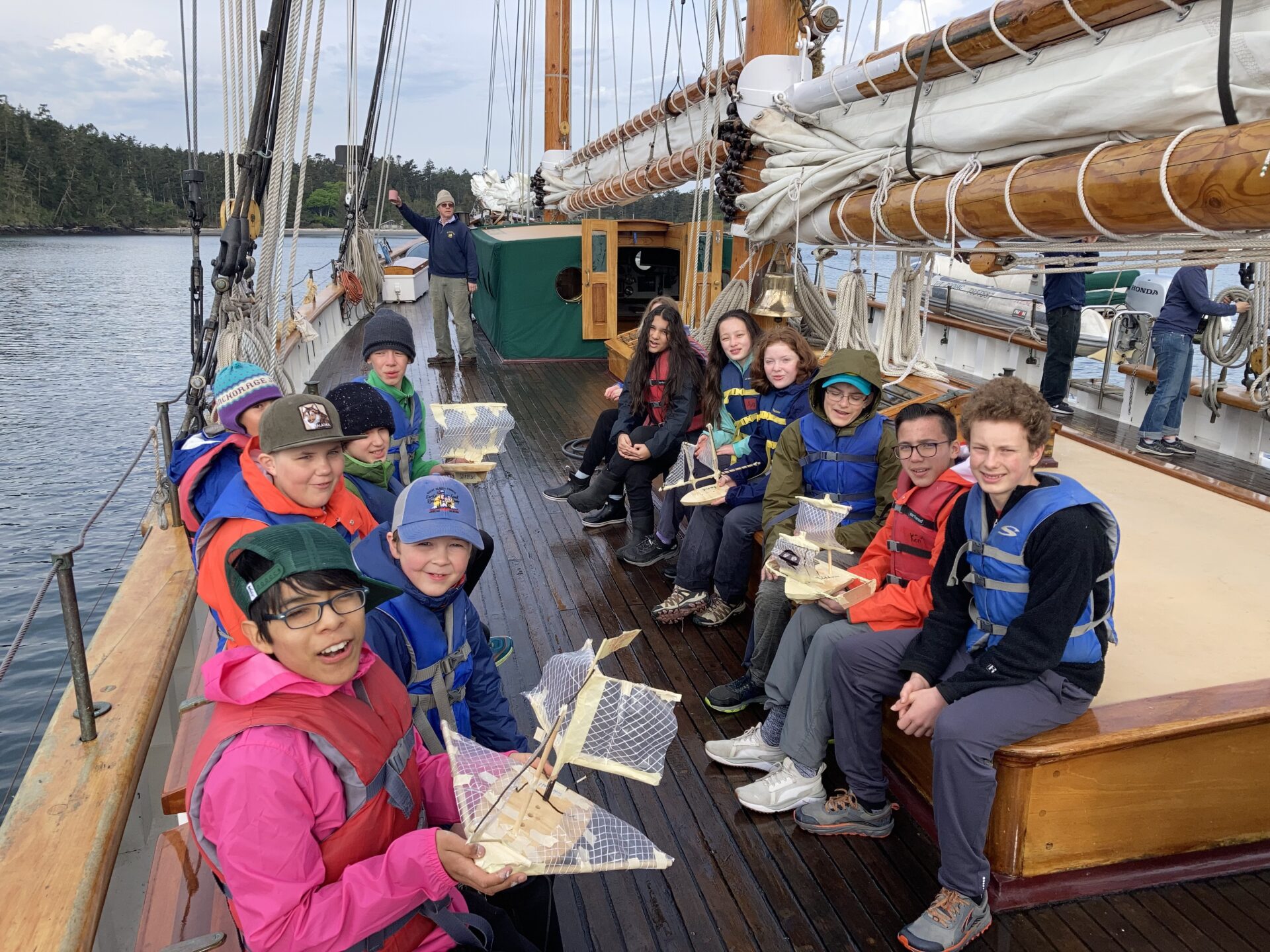
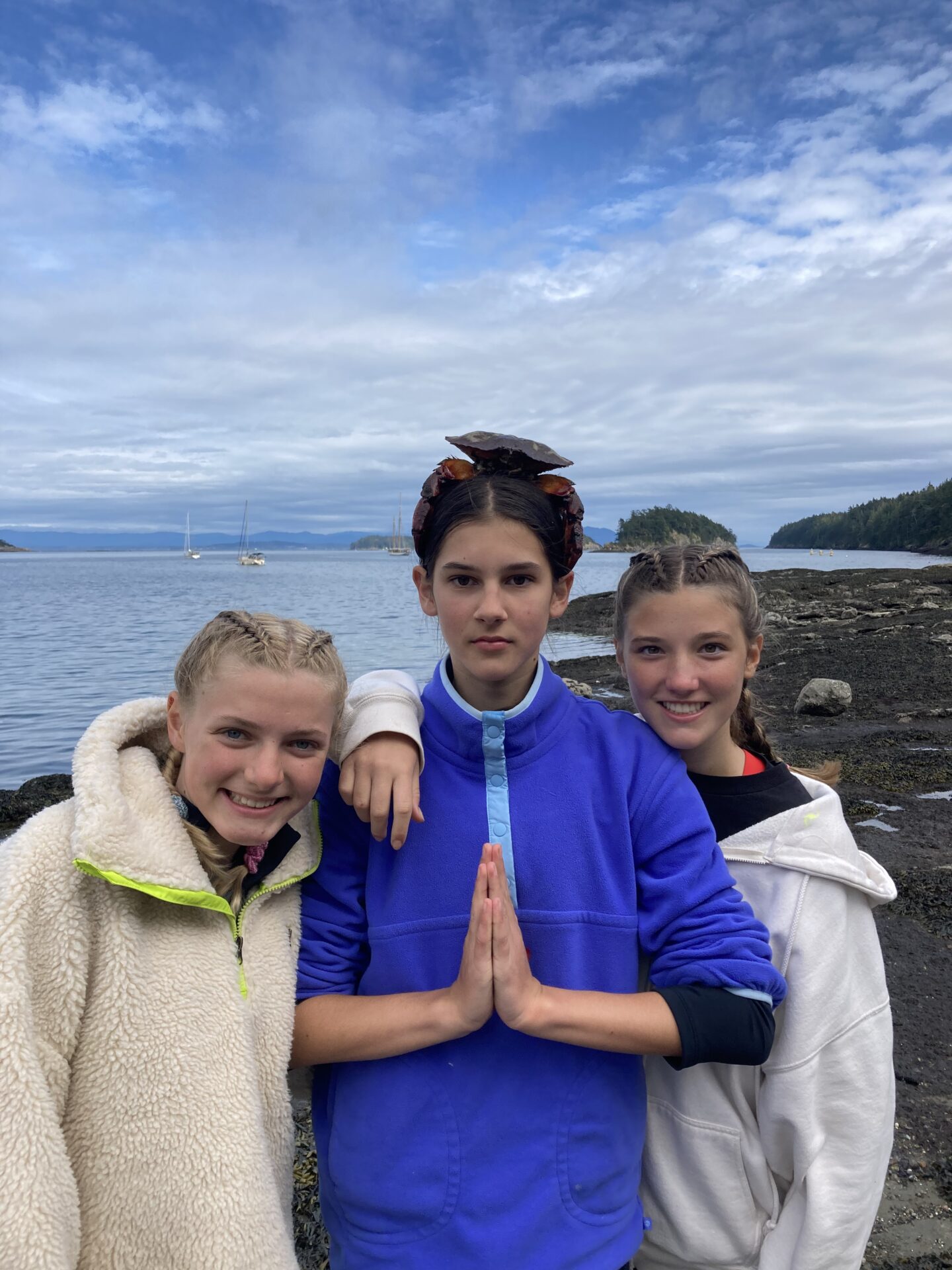
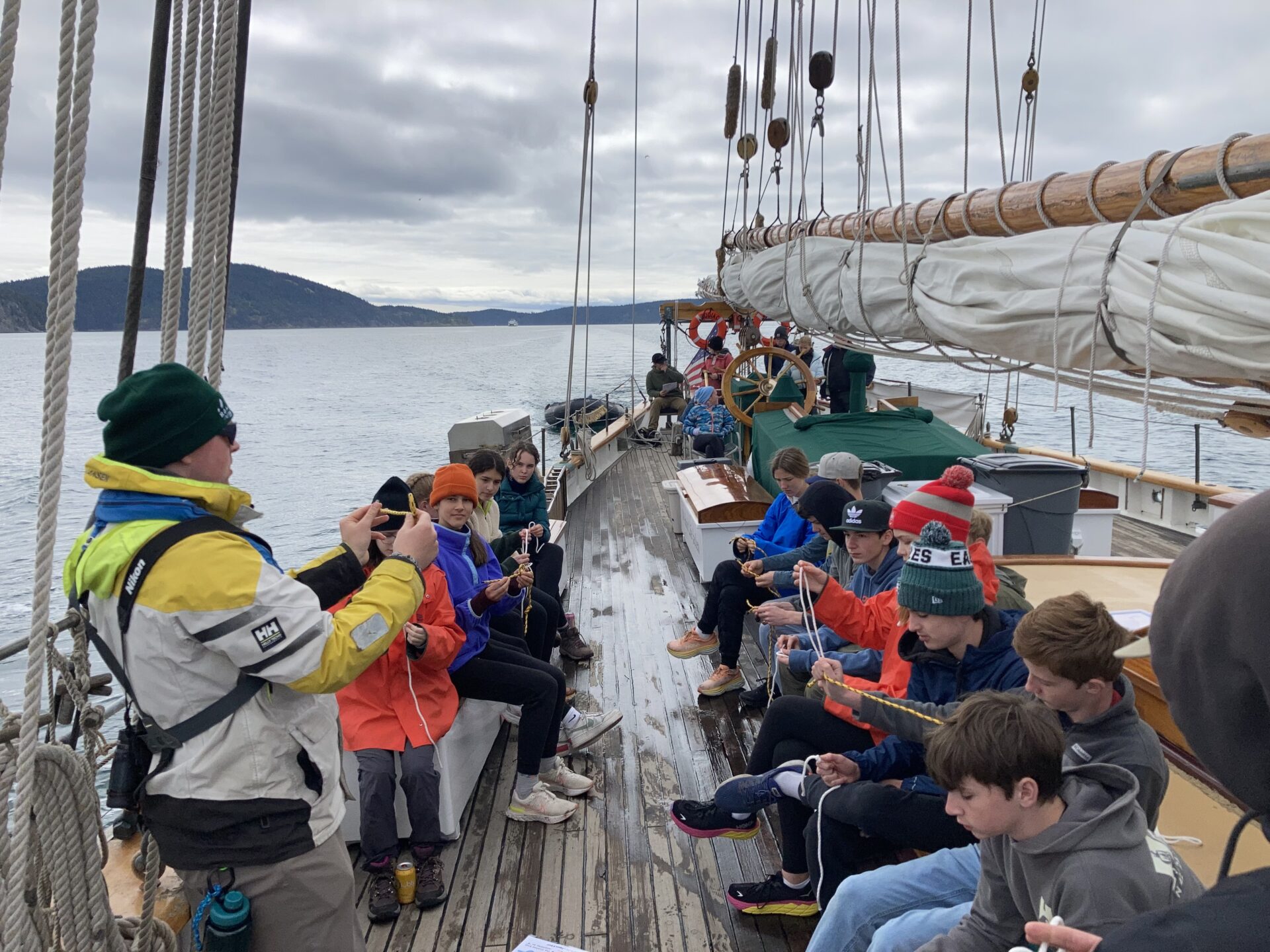
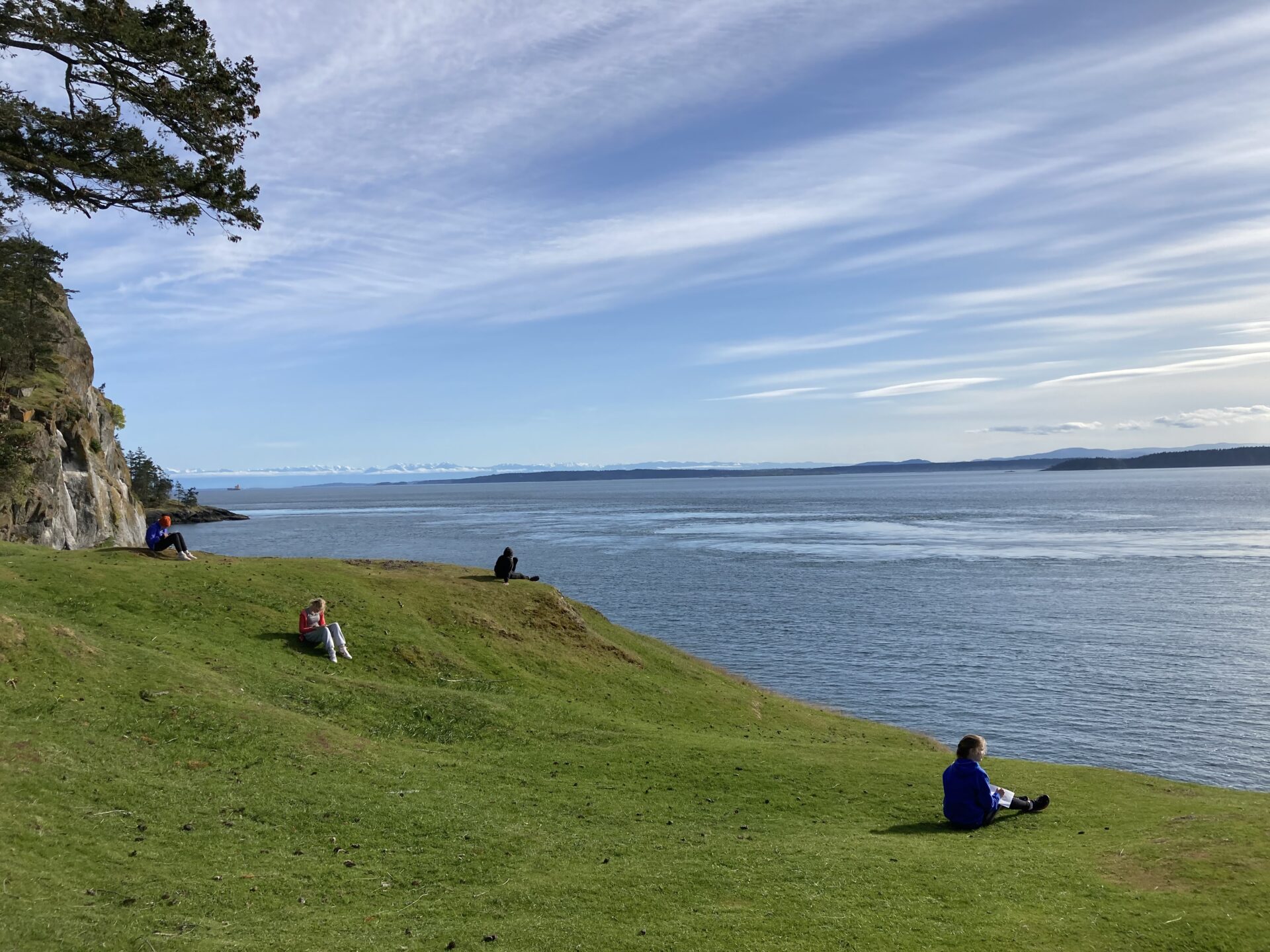
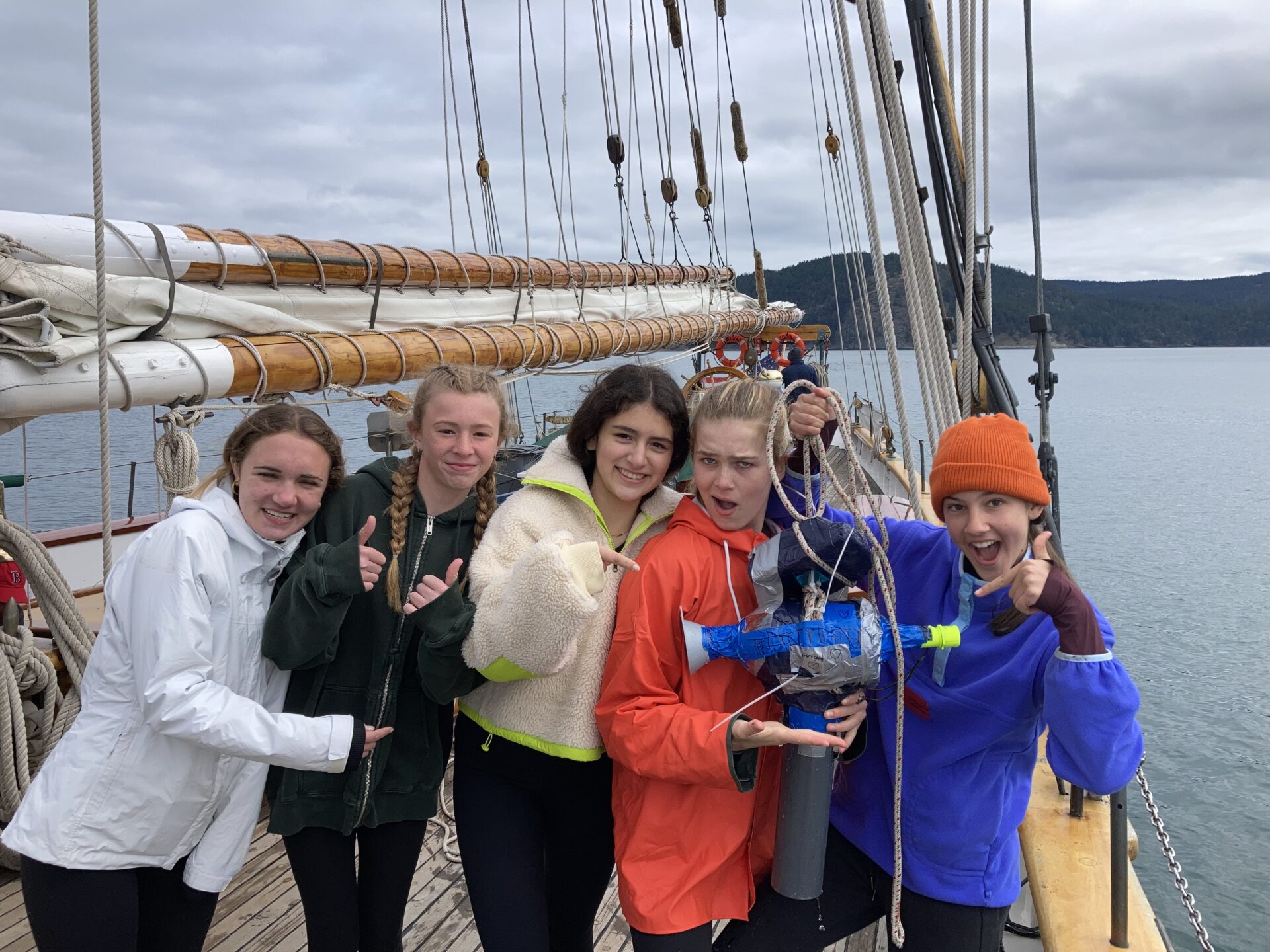
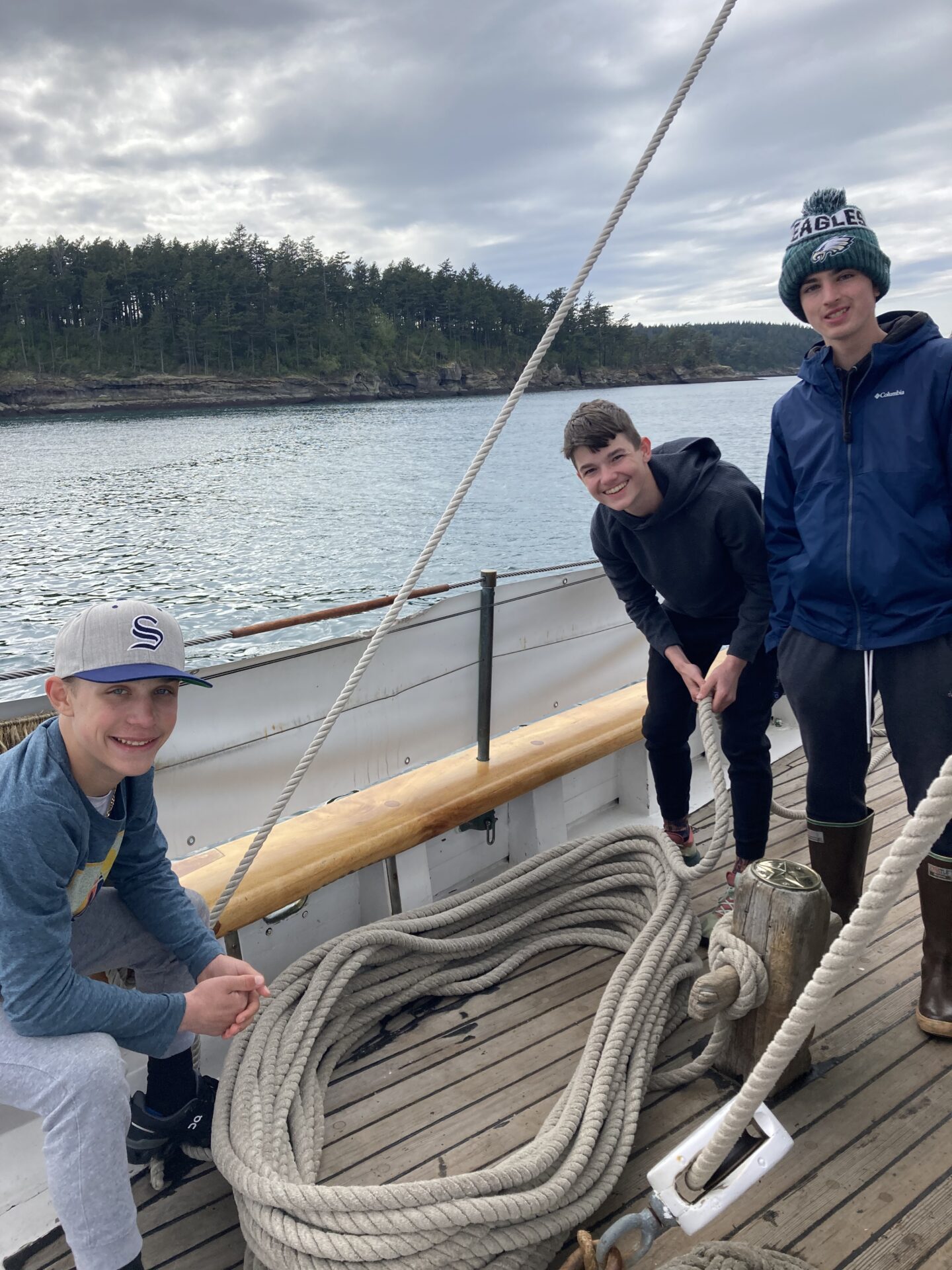
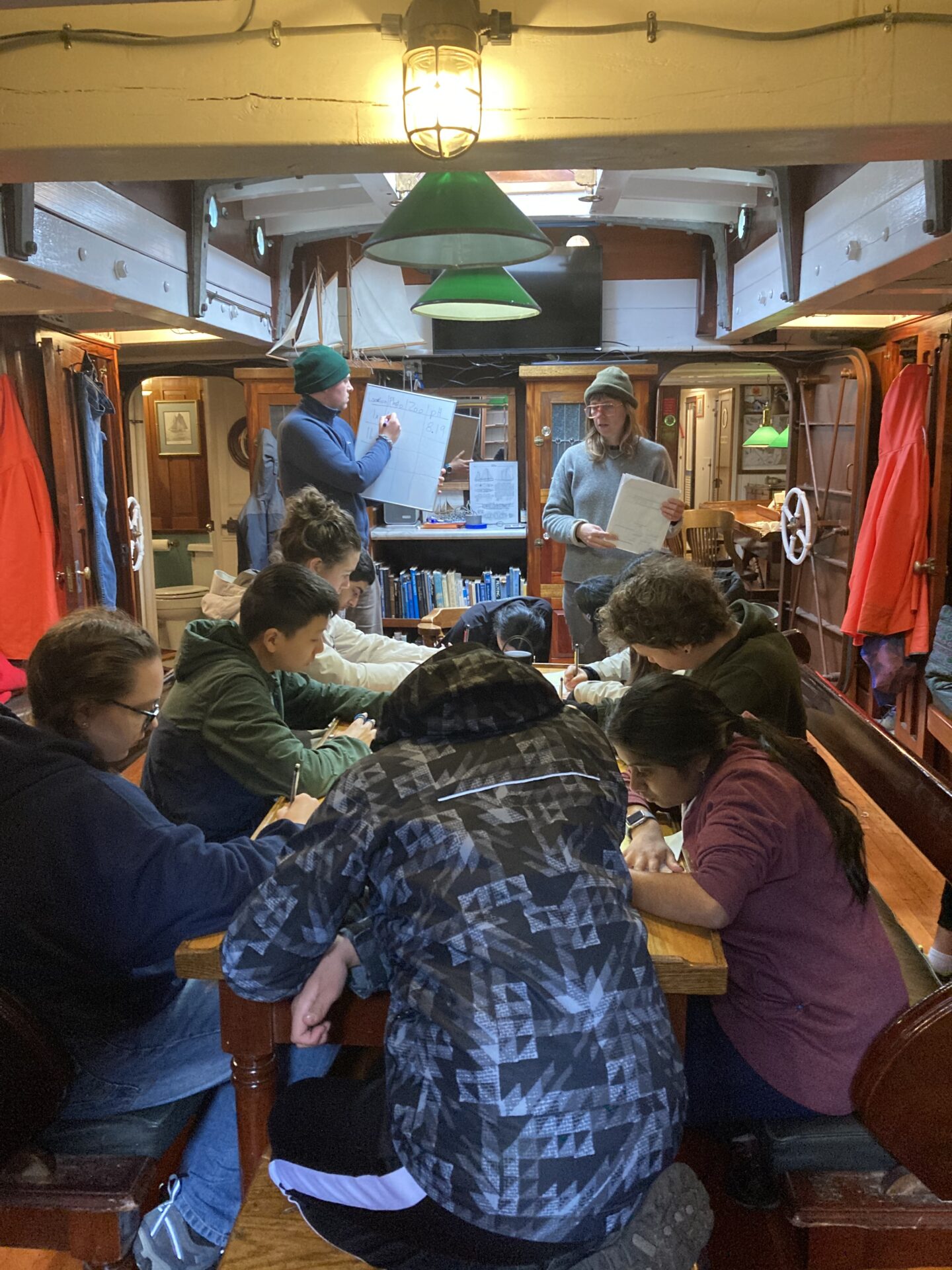
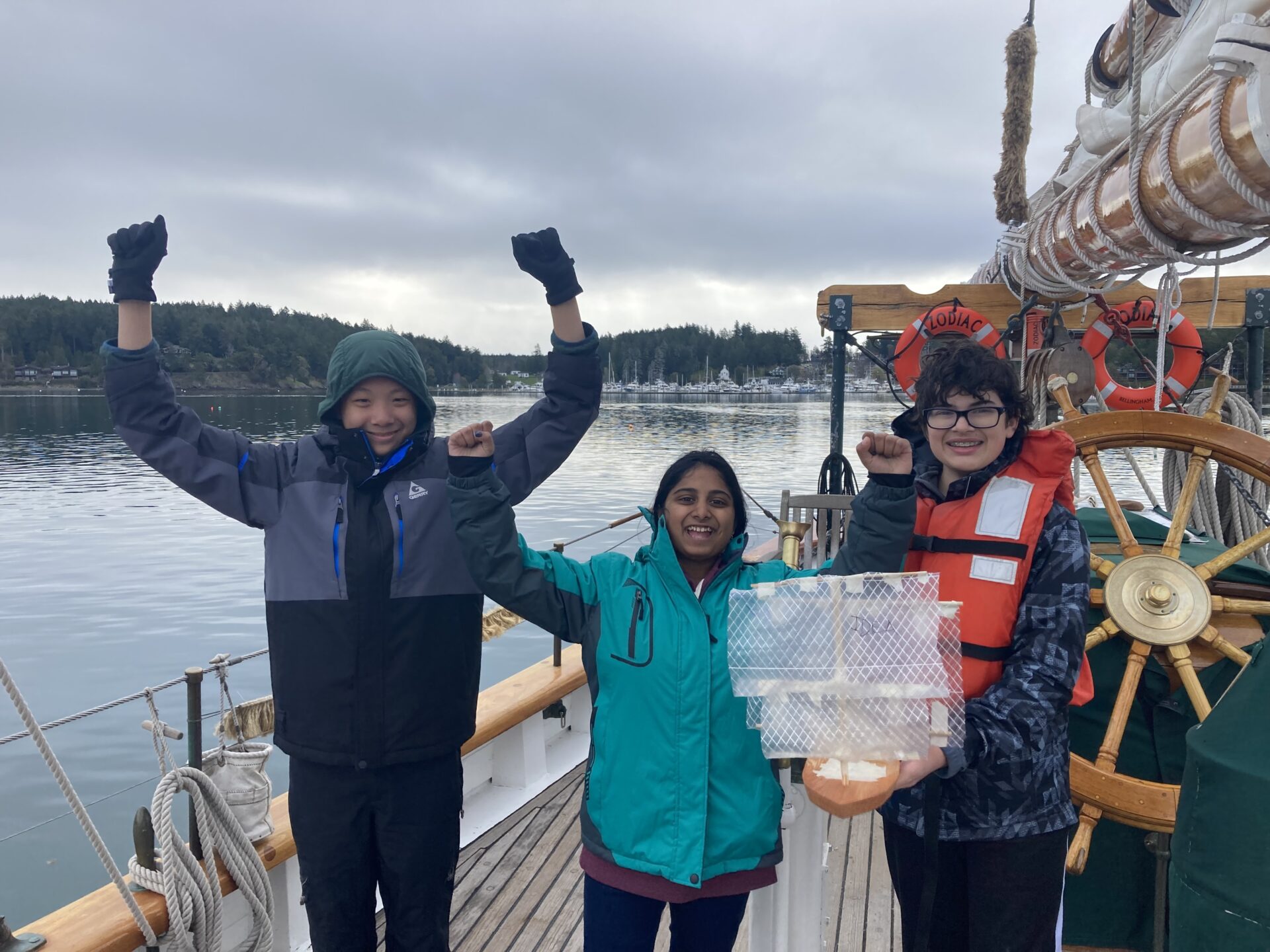
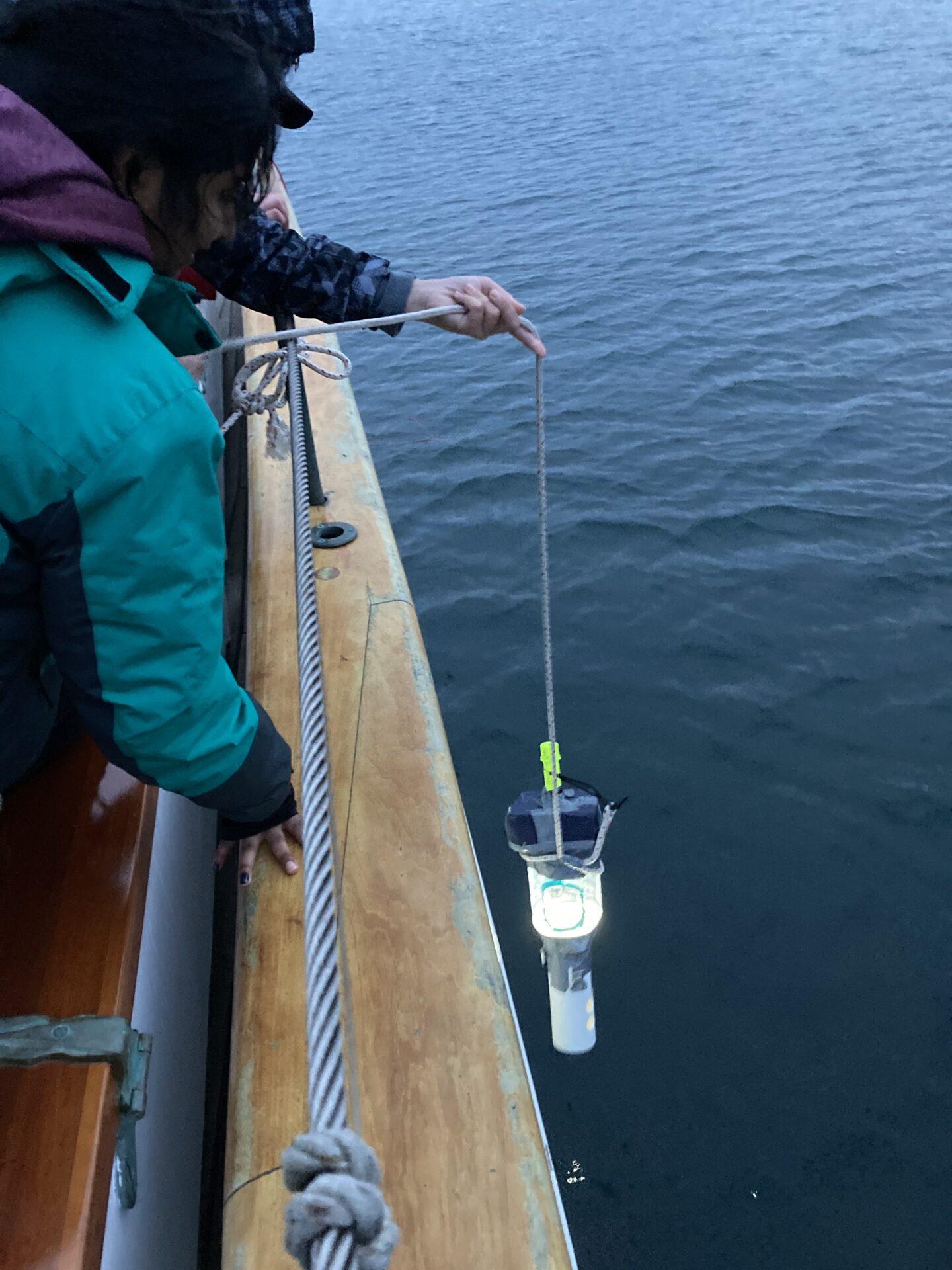
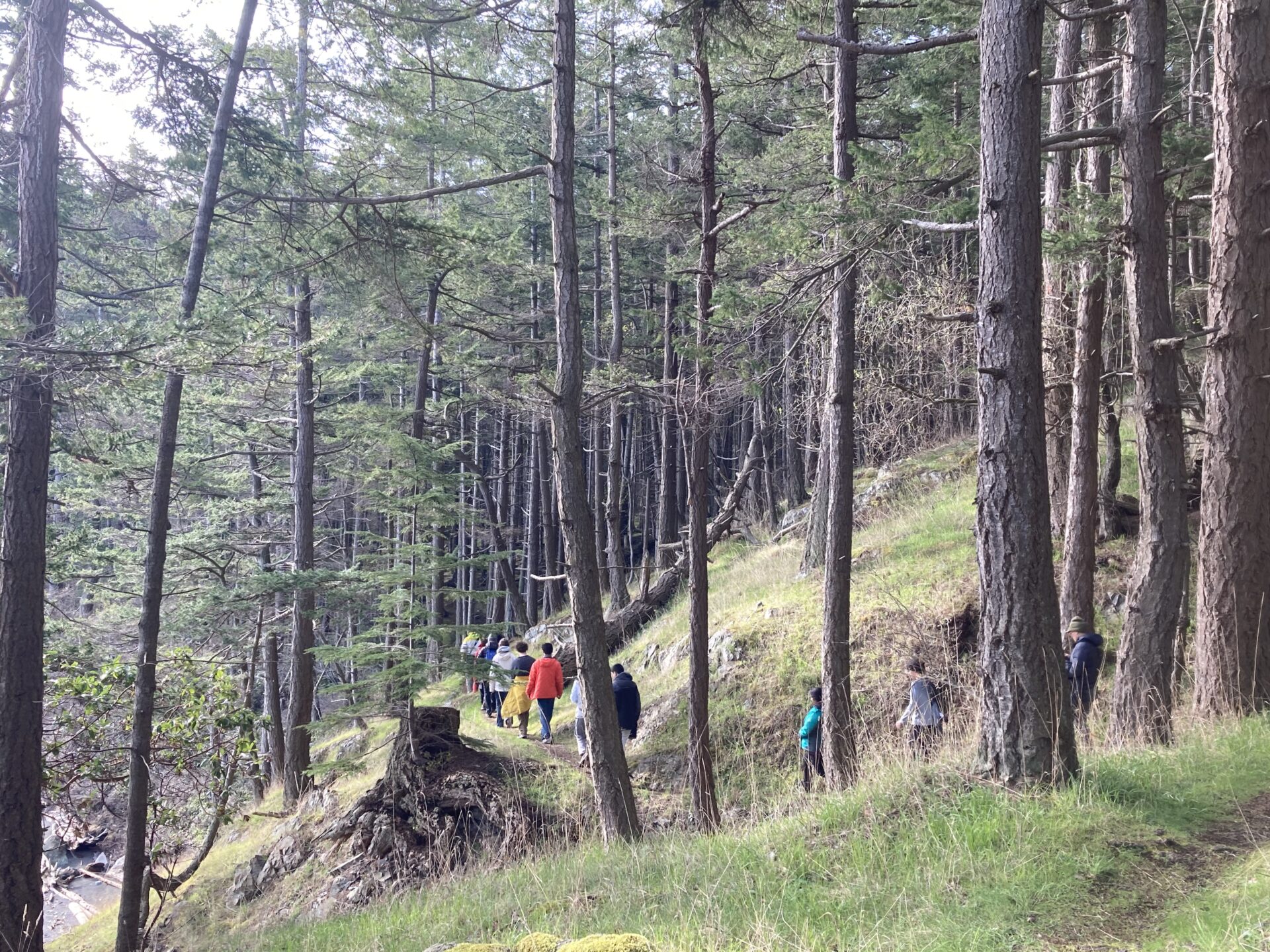
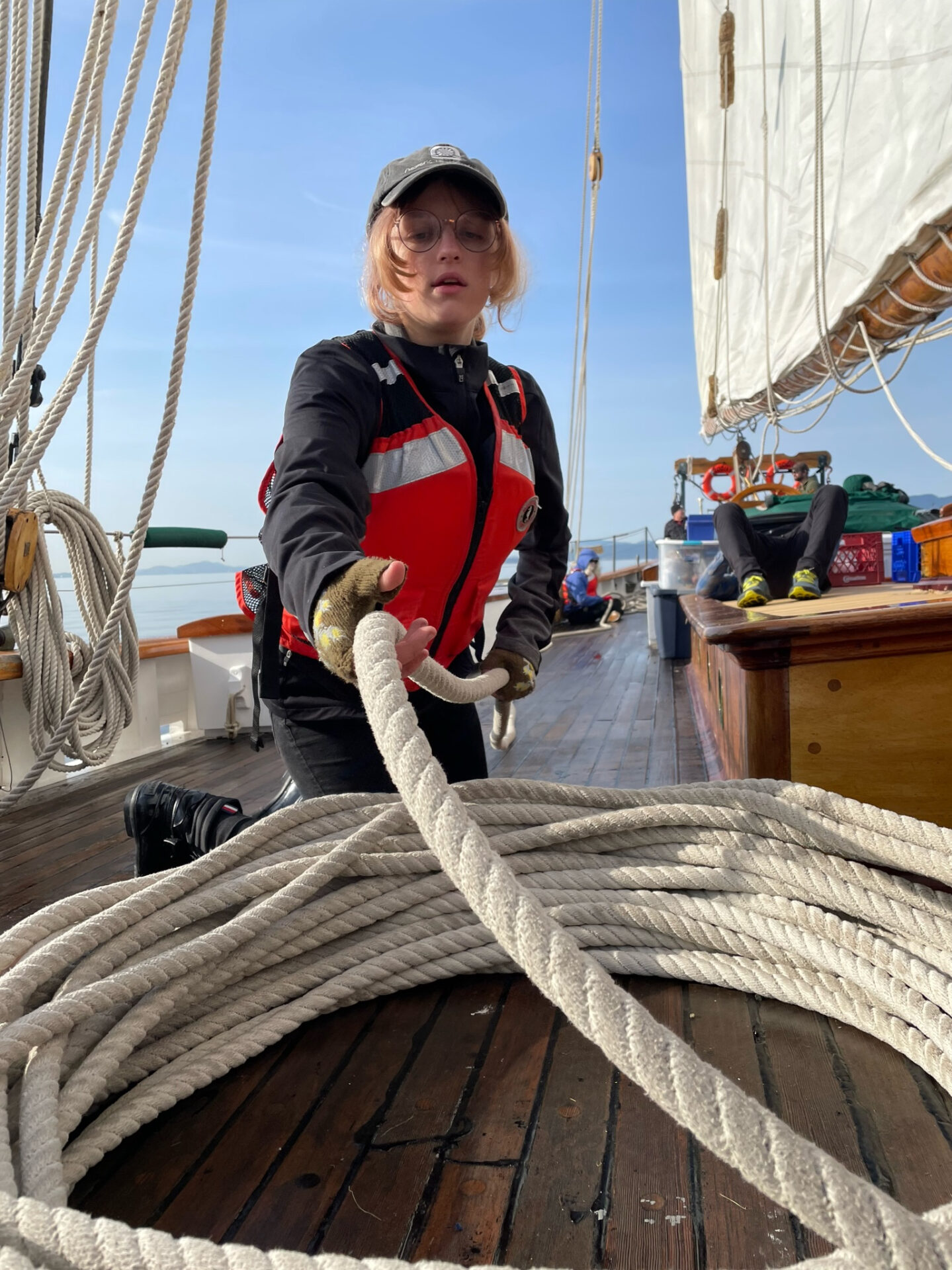
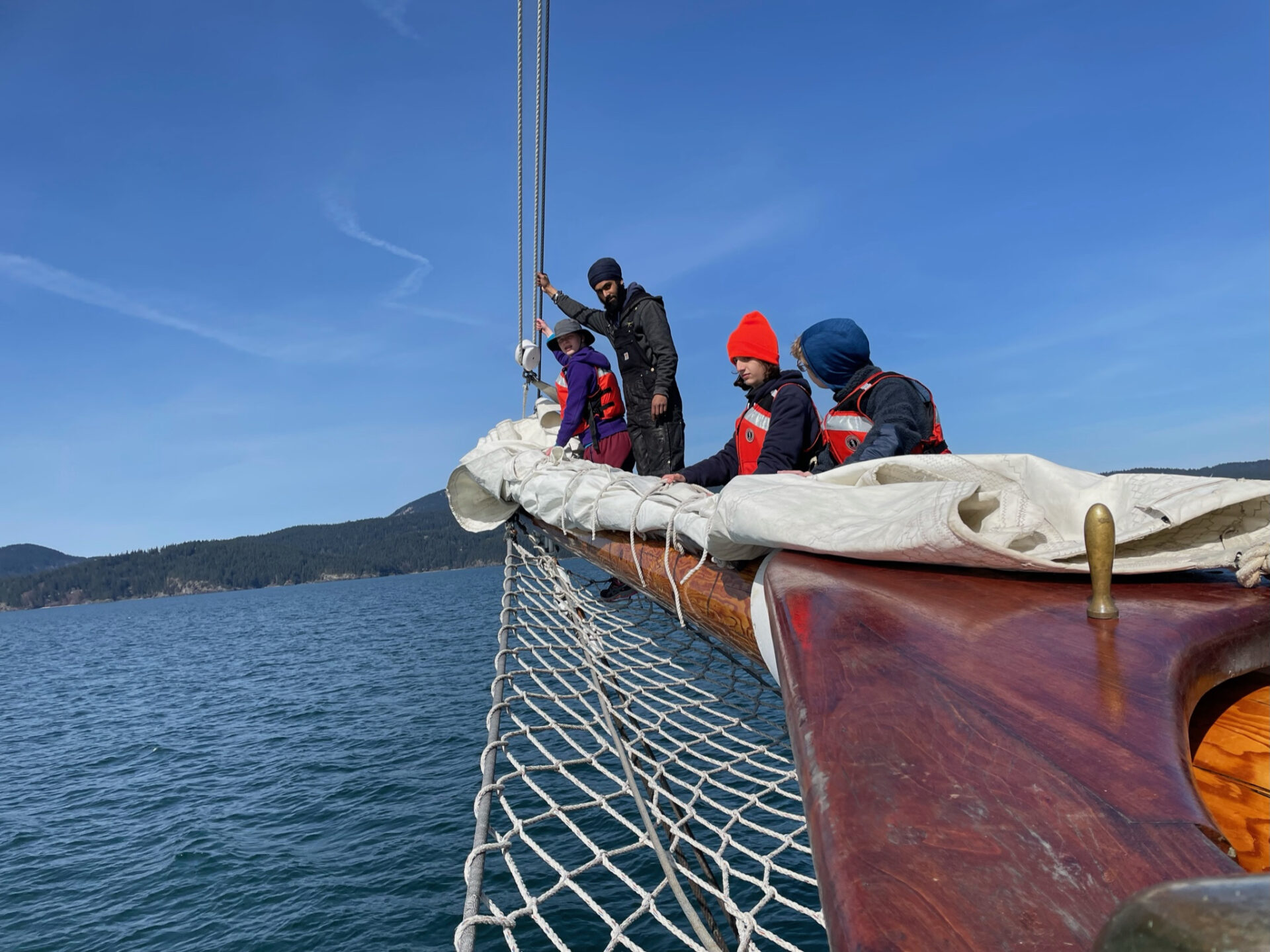
Come join us for a once-in-a-lifetime experience aboard the schooner Zodiac. During our multi-day voyage, students become part of the crew and work together to raise sail and circumnavigate the San Juan Islands. Students also engage in marine science experiments, collaborate and create team-built STEM projects, head to shore for island exploration, and participate in a boatload of additional activities, classes, and games. Also—it should be noted the food onboard is world-class!
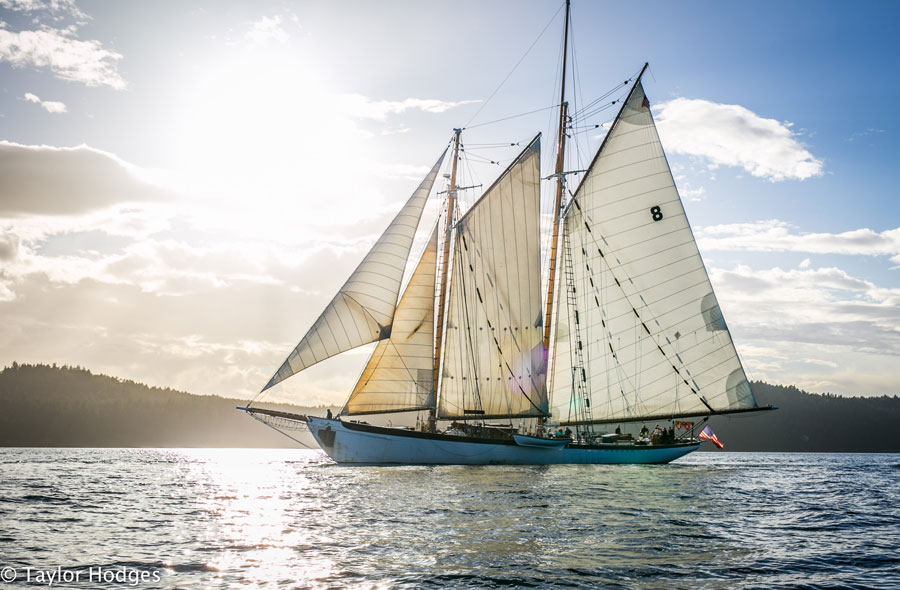
- Participants: 6th–12th grade
- Cost: $6,000 per day
- Capacity: 23 passengers max (students + chaperones—2 chaperone minimum)
- Location: Bellingham Cruise Terminal, Bellingham, WA
- Available: Monday–Friday (3-4 day programs)
- Questions: Email abbie@nwmaritime.org
Presented in sponsorship with the Schooner Zodiac
“The entire journey was eye opening. It gave me an interest in marine biology and definitely did a great job of getting us out of the classroom. This may be one of the highlights of my high school career.”
– Student, Liberty Bell High School
Photo Gallery
About Salish Sea Expeditions
Salish’s growing success is a result of the commitment to a novel idea by an inspired group of staff, board members, volunteers, donors and others who believed in the creation of an unparalleled learning experience and the impact that it would have on thousands of lives.
Following inquiry-based methodologies, students are given control and ownership of all aspects of their Salish learning experience, with the belief that students would develop a joy for learning and a new-found appreciation for science that they would carry back to their traditional classroom settings.
Book your Salish Sea Expedition today!
Contact Abbie Smith at 360.385.3628 x110 or abbie@nwmaritime.org